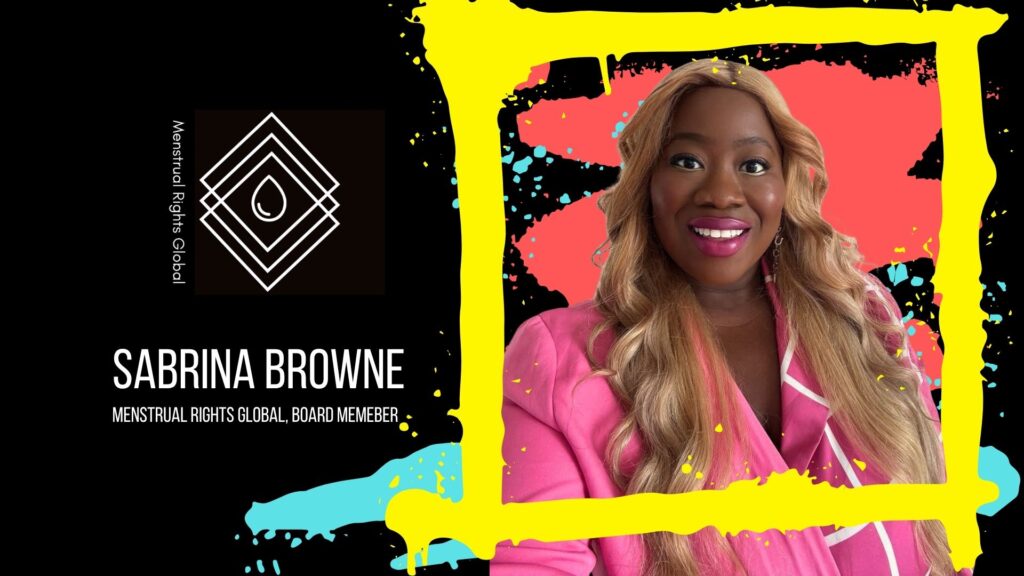
By Sabrina Natasha Browne
On Sept. 18, I joined advocates, young leaders, government representatives and partners in the United Nations General Assembly Hall for the 2026 SDG Moment, a gathering that came more than a decade after the world adopted the Sustainable Development Goals and focused on what it will take to deliver on their promise by 2030.¹
The urgency of that question was clear. According to the United Nations, just 36% of assessable SDG targets are on track or making moderate progress, while economic pressure, division, climate shocks and the spread of misinformation continue to slow action when people need it most.¹ Yet throughout the day, the conversations reflected a determination to confront these challenges together and find ways to translate global ambition into meaningful progress for communities.
A panel on bridging divides examined how unequal power, competing priorities and distrust can weaken progress. Speakers called for responsible use of funding and resources, along with a shared commitment to facts. When misinformation erodes trust, communities lose the common ground needed to make decisions and hold institutions accountable.¹
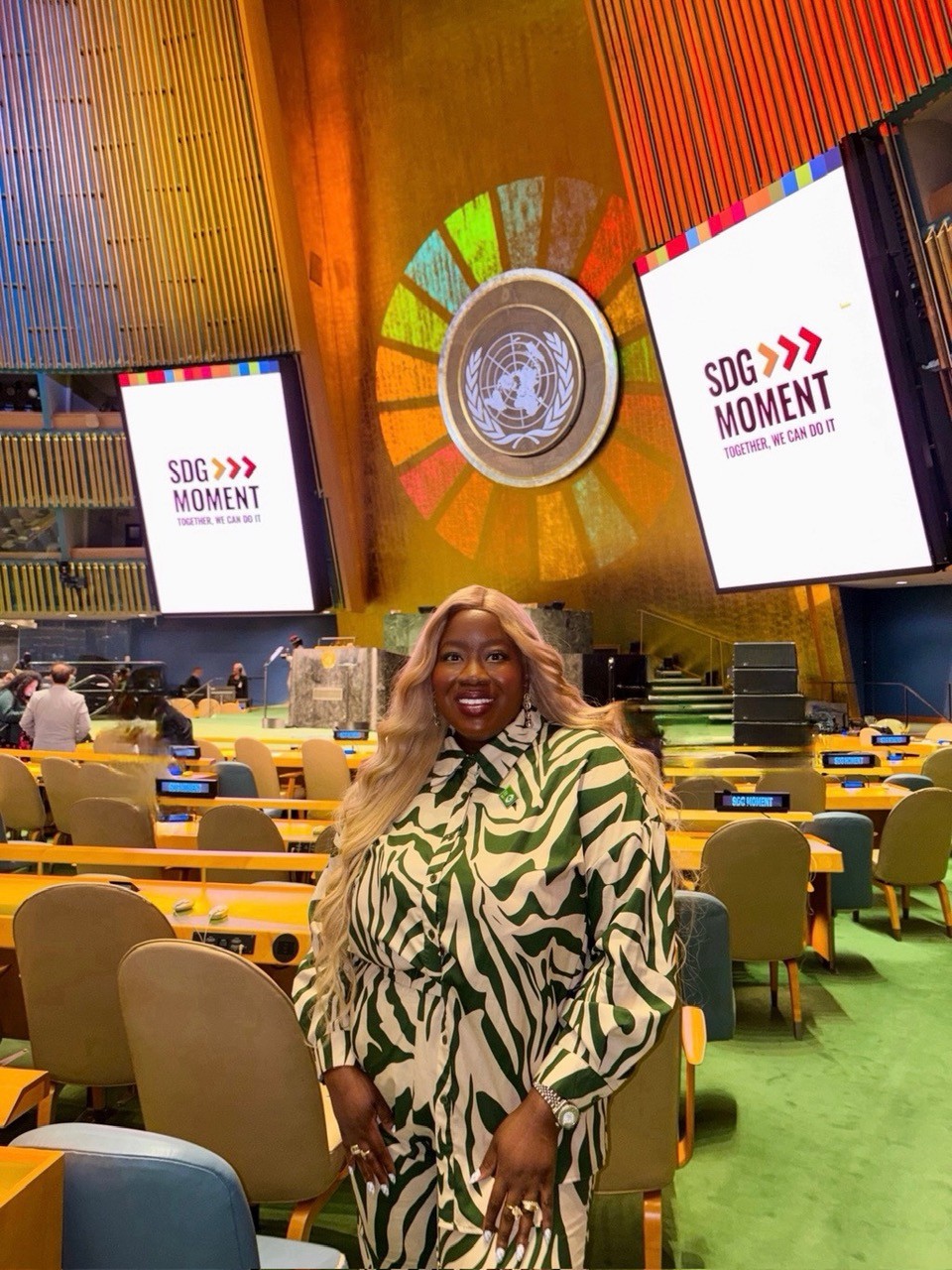
A second panel, “Unlocking Possibilities for People and Planet,” brought the discussion closer to daily life. Panelists described how flooding, relocation and other climate pressures affect Indigenous communities and compound challenges involving water, sanitation, housing and food security. Their message was clear: solutions need resources, local leadership and the ability to reach people at the scale this moment demands.¹
For those of us working to end poor menstrual health and advocate for menstrual rights and dignity, these connections are immediate. Menstrual health depends on access to affordable products, accurate information, safe water and sanitation, health care and freedom from stigma.²,³ A girl displaced by flooding, a worker without a private bathroom and a young person unable to afford period products face different circumstances, but each deserves the dignity and opportunity promised by the SDGs.
At Menstrual Rights Global, we work alongside grassroots leaders and partners to advance menstrual health as part of broader efforts for health equity, bodily autonomy and gender equality. That means listening to communities closest to the barriers, directing resources toward their solutions and ensuring menstrual health is included in decisions about education, climate resilience and public health.
The SDG Moment left me thinking about the young people asking what kind of planet they will inherit. Their future will be shaped by what governments, civil society, and local communities choose to do now. With four years remaining until 2030, we have a responsibility to turn ambition into delivery and make menstrual rights part of the progress we measure.
References
- United Nations. 2026 SDG Moment: Together, We Can Do It [Internet]. New York: United Nations; 2026 Sep 18 [cited 2026 Sep 29]. Available from: https://transcripts.un.org/en/asset/k15/k15lo600j3
- World Health Organization. WHO statement on menstrual health and rights [Internet]. Geneva: World Health Organization; 2022 Jun 22 [cited 2026 Sep 29]. Available from: https://www.who.int/news/item/22-06-2022-who-statement-on-menstrual-health-and-rights
- World Health Organization, United Nations Children’s Fund. Progress on drinking water, sanitation and hygiene in schools 2015–2023: special focus on menstrual health [Internet]. Geneva: World Health Organization; 2024 [cited 2026 Sep 29]. Available from: https://www.who.int/publications/i/item/9789240097490